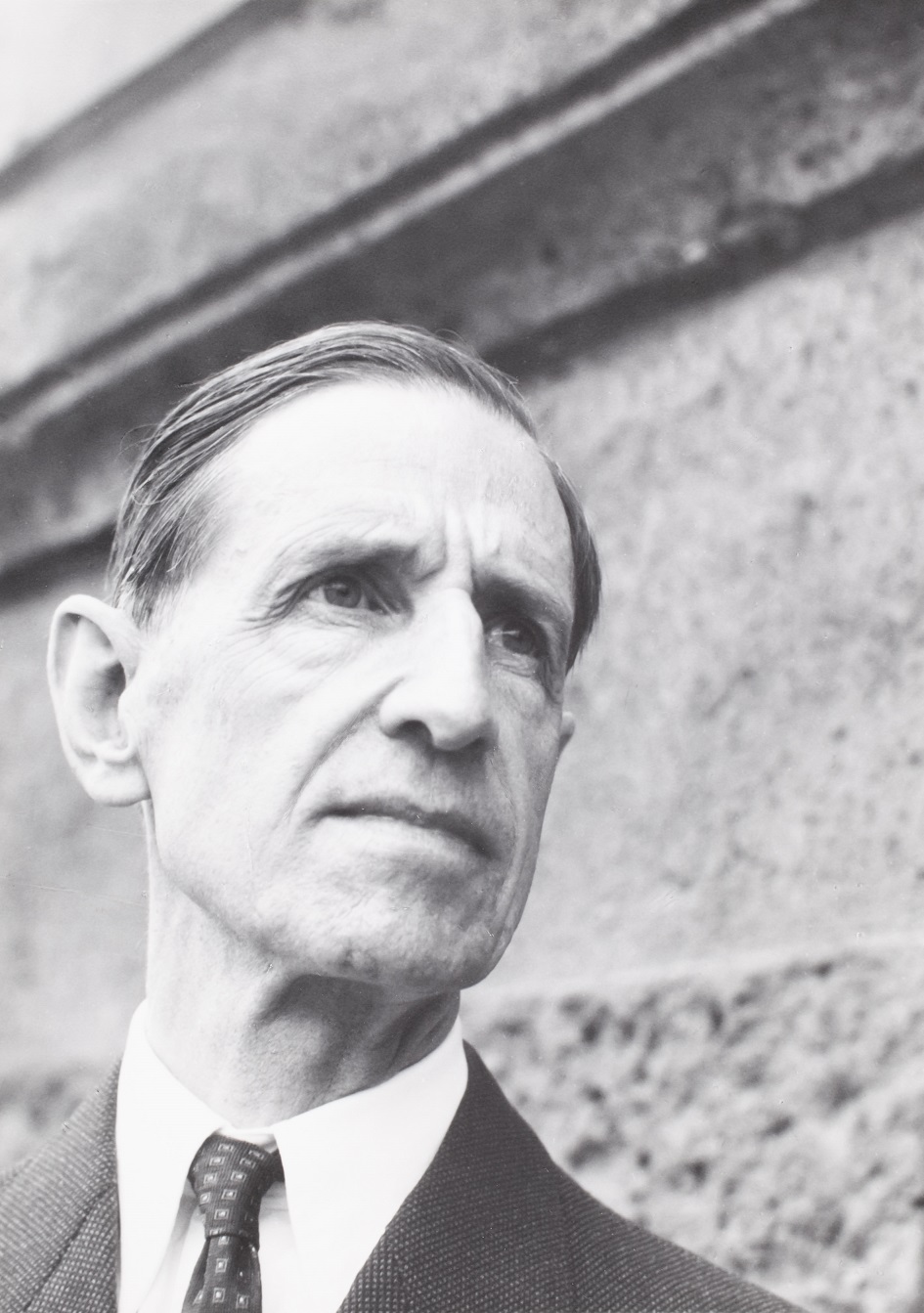
Fondateur de la Bibliotheca Bodmeriana, Martin Bodmer (Zurich, 1899 – Genève, 1971) était un grand bibliophile et collectionneur suisse. A l’origine du Prix Gottfried Keller, un prestigieux Prix littéraire, et de la revue Corona, membre fondateur de l’Association internationale des bibliophiles, il réunit au fil des décennies une des plus importantes collections privées de papyri, manuscrits, incunables et livres anciens au monde, aujourd’hui conservée et présentée au sein de la Fondation Martin Bodmer et de son musée.
Trois semaines avant sa mort, il légua près de 150 000 documents issus de près de 80 cultures différentes, reflétant trois mille ans de civilisation humaine sur Terre. Le mondialement célèbre bibliophile Hans Peter Kraus avait surnommé Martin Bodmer « le collectionneur par excellence » et « le roi des bibliophiles ».
Docteur honoris causa des universités de Francfort (1949), de Genève (1958) et de Berne (1967), il fut vice-président de la Croix-Rouge internationale de 1947 à 1964. Durant la Seconde Guerre mondiale, membre du Comité du CICR, il avait assumé la responsabilité du Secours Intellectuel, consistant à distribuer des livres aux prisonniers de guerre dans un but de soulagement moral et d’instruction. Pas moins d’un million et demi de livres avaient été envoyés aux prisonniers durant le conflit.
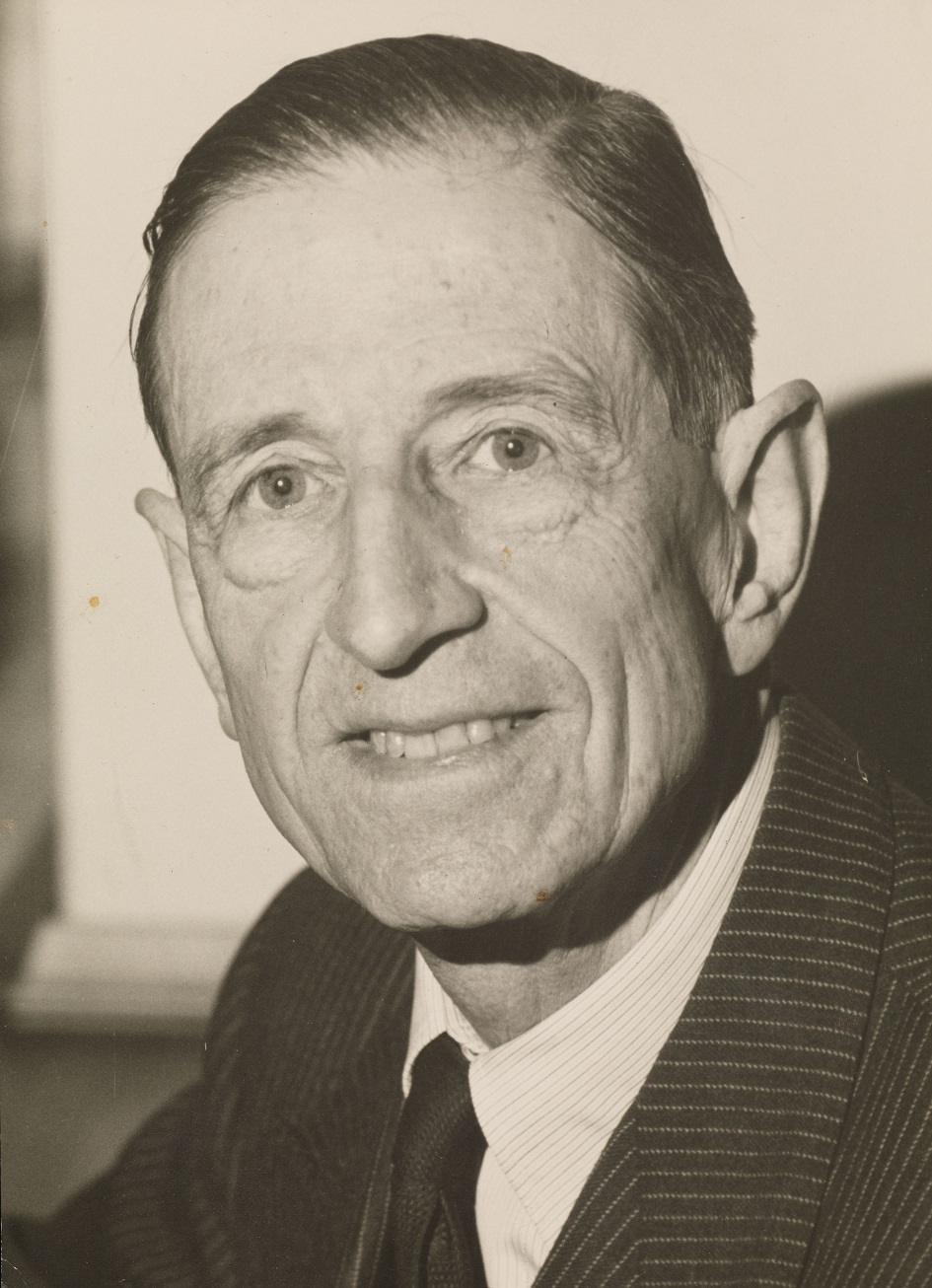
Issu d’une vieille famille zurichoise (XVe siècle), dont plusieurs générations de soyeux assirent la fortune et qui avait pour devise Nulli cedo, Martin Bodmer est né le 13 novembre 1899 à Zurich-Enge. La maison de famille était, à l’origine, zur Arch (de nos jours Museum Bärengasse), près de la Bahnhofstrasse. Sur le quai de la Limmat, se trouvait leur corporation, zum Saffran. La famille habita le Freudenberg. Cadet de cinq enfants, Martin Bodmer perdit son père, Hans Conrad, en 1916, à l’âge de 16 ans. Il acquit sa « maturité » à 18 ans et se mit à lire intensément. Études à l’Université de Zurich, avec des séjours à Heidelberg et à Paris.
Son goût des livres lui fit acheter de ses propres deniers à l’âge de 15 ans La tempête de Shakespeare dans la traduction allemande d’August von Schlegel (Der Sturm, illustré par Dulac, Munich, Bruckmann, 1912). Sa mère, Mathilde (Tilly) Zœlly, lui offrit peu après une édition précieuse du Faust de Goethe (Dusseldorf, Ehmcke, 1908-1909). Particulièrement attentionnée pour son dernier né, elle réunissait chez elle, pour répondre à ses aspirations, des personnalités littéraires comme Hofmannsthal et Valéry. Il vécut ses recherches sur la littérature allemande comme une véritable aventure intellectuelle. En 1921, il créa la Fondation Martin Bodmer pour un Prix Gottfried Keller, pour honorer des auteurs contemporains dont les écrits avaient un intérêt pour la Suisse. Sa mère mourut en 1926.
En 1927, il épousa au Fraumünster de Zurich Alice Naville, dont il eut trois fils et une fille. En 1930, il lança une revue littéraire intitulée Corona qui publiait les meilleurs écrits de l’année en langue allemande. Madame Bodmer continua de recevoir des écrivains contemporains, entre autres Paul Valéry, qui était un ami de la famille.
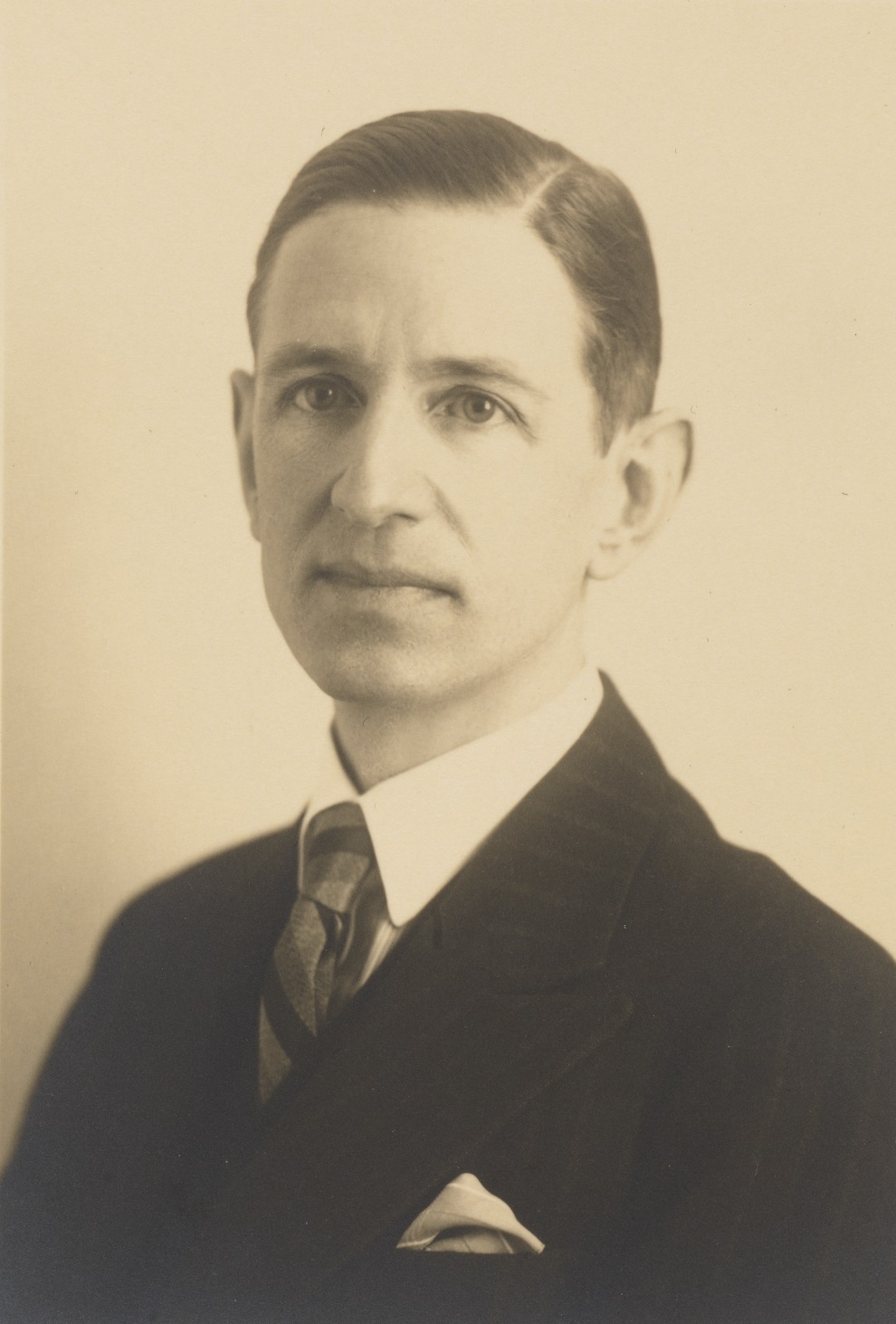
Dès 1919 avaient commencé ses recherches pour former une bibliothèque de la « littérature universelle », selon l’expression de Goethe (Weltliteratur). En 1939, la bibliothèque, comptait environ 60 000 volumes. Martin Bodmer écrivait et cherchait une synthèse de la littérature mondiale. Son livre Eine Bibliothek der Weltliteratur, paru en 1947, en trace les lignes directrices. Cette synthèse fut l’idée d’un homme seul, qui avait pour lui le temps et les moyens de la mener à bien.
En septembre 1939, par une lettre adressée à son ami Max Huber, Martin Bodmer se mit à la disposition du Comité International de la Croix-Rouge. Il se fixa progressivement à Genève où siégeait le Comité (Hôtel Métropole). Nommé membre du Comité, le 6 février 1940, et, peu après, du Conseil de direction (où il siégea jusqu’en 1970), il en devint le vice-président (de 1947 à 1964) et, même, président à titre intérimaire en 1947-1948. Il dirigea, à titre bénévole, les services de Presse, Radio, Information et, plus particulièrement, le département des Secours Intellectuels.
En raison de ses responsabilités au sein du CICR, sans compter ses voyages une fois par mois à Zurich au siège de la Neue Zürcher Zeitung, il laissa quelque peu de côté sa collection, dont s’occupait depuis 1940 Mlle Elli Lehmann. Durant cette période, Martin Bodmer s’installa définitivement à Cologny, où il avait acquis et réuni en un seul domaine, autour de la campagne Gautier (le « Grand Cologny ») plusieurs parcelles attenantes, d’une superficie totale de plus de 50 ha. L’une d’elles, la villa Haccius, fut transformée en deux pavillons destinés à recevoir sa bibliothèque de Zurich. Le transfert de la bibliothèque eut lieu en 1949.
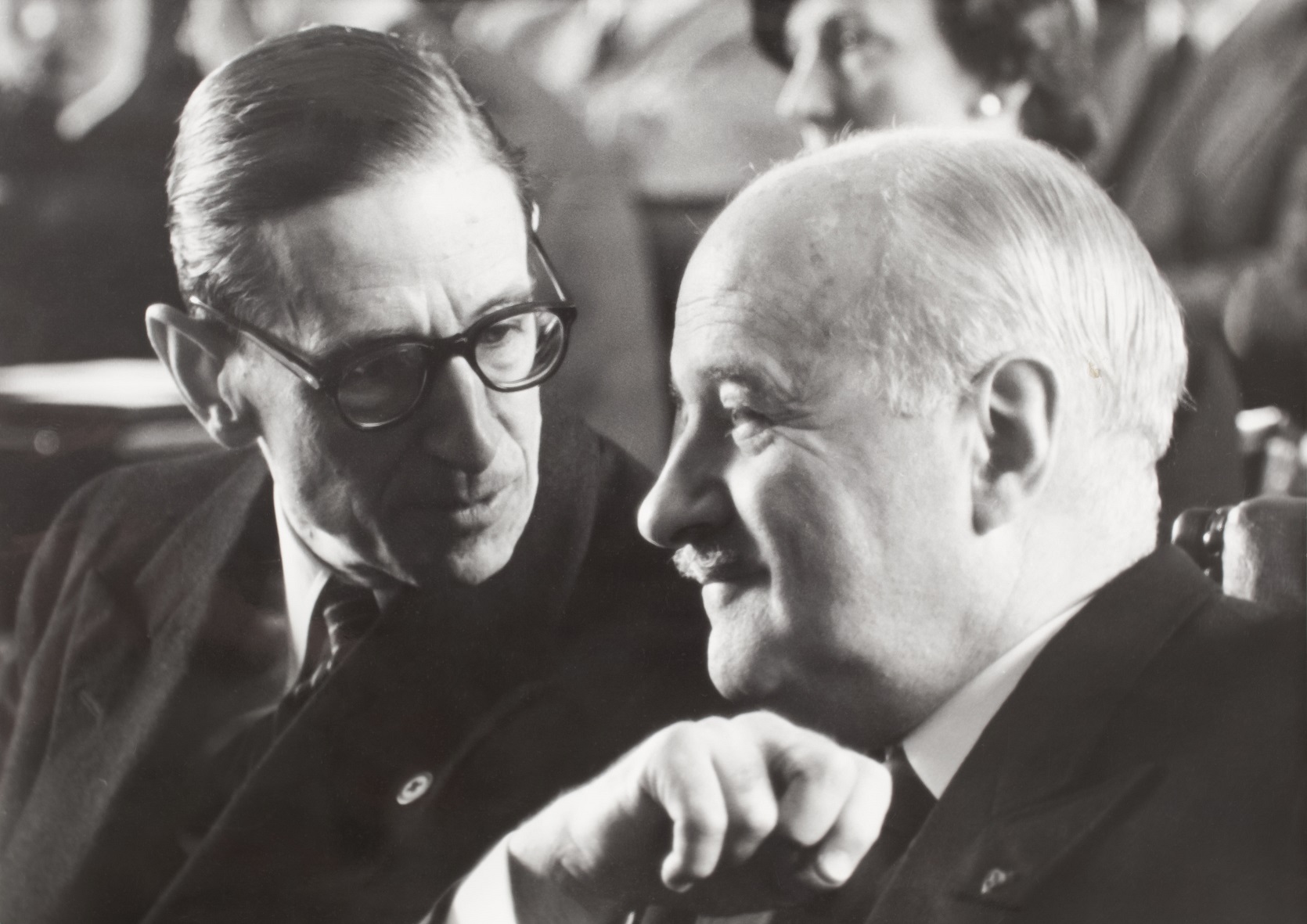
Le 6 octobre 1951 fut inaugurée la « Bibliotheca Bodmeriana ». Martin Bodmer avait engagé pour le seconder Mlle Odile Bongard, sa secrétaire et collaboratrice à la Croix Rouge. Il lui confia l’administration de la maison et lui demanda, en 1962, de reprendre en mains l’ensemble de la bibliothèque (plus particulièrement le reclassement alphabétique). Les premières années à Cologny furent tranquilles, occupées par ses travaux personnels. A la bibliothèque eurent lieu quelques expositions et des visites individuelles de certaines de ses connaissances. Il fut aussi sollicité par de petits groupes désireux de voir sa bibliothèque. A côté, se poursuivait depuis 1953 un exigeant travail, entrepris, avec Odile Bongard, par Victor Martin, Michel Testuz et Rodolphe Kasser pour la publication des papyrus (26 volumes publiés de 1954 à 1969). Le 2 octobre 1967, il fit au Palais de l’Athénée, à Genève, une conférence, qui fut très appréciée, sur « Quelques documents significatifs de la Bodmeriana », accompagnée de deux séries de diapositives.
Peu avant sa mort, Martin Bodmer achevait un livre qui occupait ses pensées depuis 1948 et qui devait être son testament spirituel. Celui-ci comprenait 300 pages environ, accompagnées de 250 pages de schémas selon le témoignage de Jan Janssen, alors aide-bibliothécaire, qui dactylographia, de l’automne 1962 à mai 1963, puis de septembre 1966 quasiment jusqu’au décès. Seule une dactylographie incomplète de l’ouvrage et des parties manuscrites ont été retrouvées sous le titre de Chorus mysticus. En 1969, à l’occasion de la visite de Paul VI à Genève (à l’Église Nicolas de Flue, près de la Place des Nations), Martin Bodmer offrit au Pape quatre feuillets de papyrus détachés d’un codex et contenant les deux Epîtres de Pierre, avec cette dédicace : « Afin que les lettres de Pierre rejoignent la maison de Pierre ». Comme il était venu à Rome fêter en famille ses 70 ans, le Saint Père le reçut longuement en privé, au Vatican. Pour son œuvre, il reçut trois doctorats honoris causa. Il fut membre et correspondant de l’académie bavaroise des beaux-arts (en 1953) et cofondateur de la Société internationale des bibliophiles.
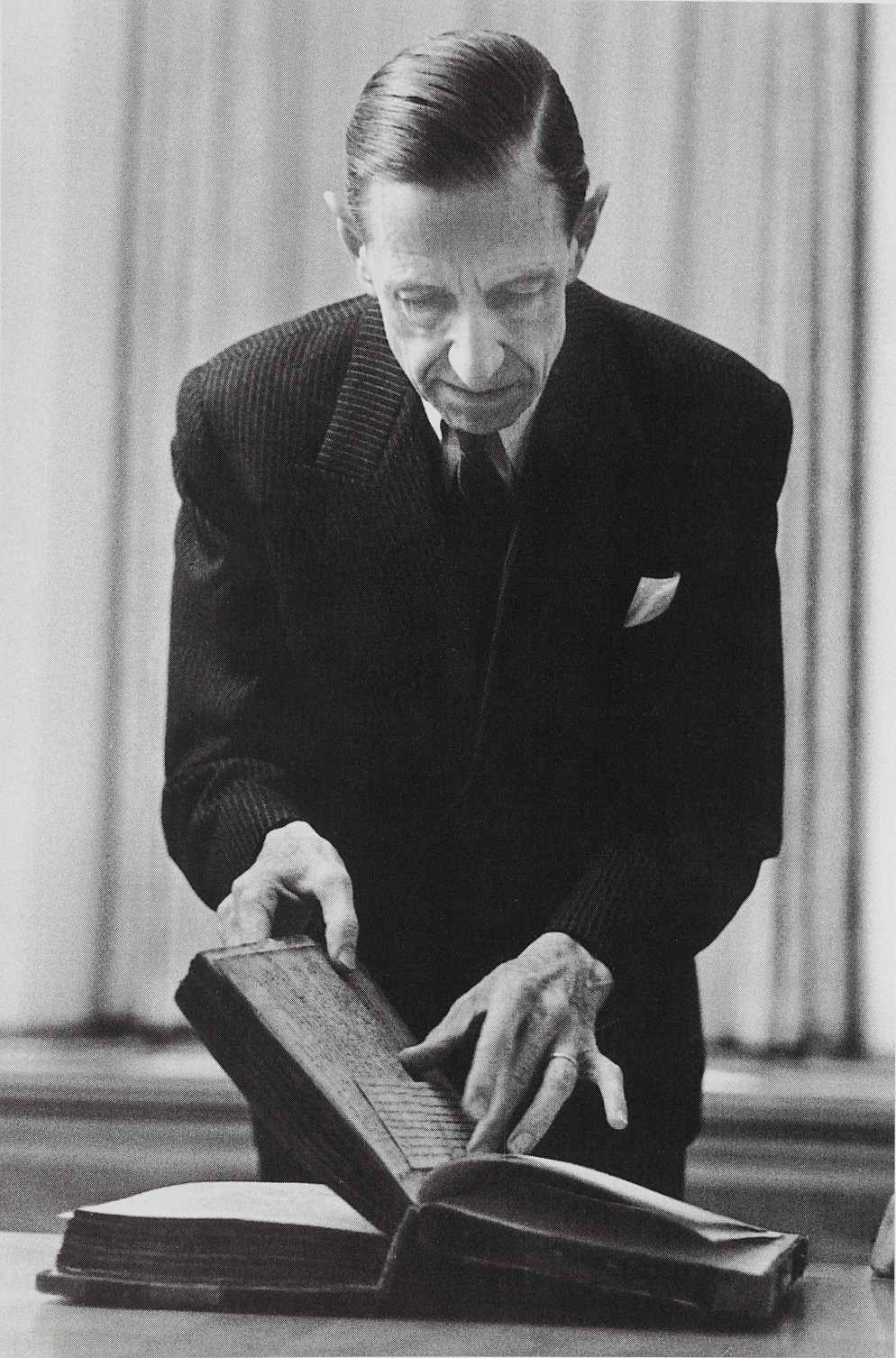
Bernard Breslauer a décrit ainsi sa première rencontre au printemps 1938 avec Martin Bodmer, à Zurich : « On me conduisit à travers plusieurs salons ornés de splendides tableaux. On servit le thé dans le cabinet de travail de Martin Bodmer. C’était la première fois que je le rencontrais et, bien qu’il m’impressionnât, je me sentis tout de suite en sympathie avec lui. Ce patricien avait un visage d’intellectuel dont les traits, animés dans la conversation, avaient au repos un aspect ascétique que les années devaient graver plus profondément encore. Il me donna tout de suite une idée de sa collection. » Et d’ajouter plus loin : « On avait parfois l’impression que ce n’était pas lui qui possédait sa bibliothèque, mais elle qui le possédait. »
Même impression chez Werner Weber : « Dans les salles de sa Bibliothèque, Martin Bodmer était transformé. Quand il parlait, ses yeux brillaient, son regard portait au delà de ce qui se trouvait devant lui. Autour de lui se tenaient plus de gens qu’il n’y en avait en réalité. Ce qui ne l’empêchait pas de rester l’homme qu’il était et de ne rien laisser échapper des sollicitations du moment, mais quelque chose d’essentiel le tenait comme en retrait. Comme si le temps ne passait pas et qu’il fût en perpétuel état de dialogue avec les grands esprits de sa collection » (NZZ, 28 mars 1971).
Quant à Odile Bongard, qui fut sa secrétaire personnelle et sa collaboratrice durant 30 ans, elle a résumé en quelques mots, dans un dossier transmis en 2000 au Conseil, ce qui le caractérisait à ses yeux : « Il était avant tout un solitaire, qui tenait à l’ordre, la simplicité, mais surtout la qualité. » Elle décrit ainsi le rythme ordinaire de la vie de Martin Bodmer, entre ses obligations, les vacances avec la famille et quelques voyages : « Appel téléphonique vers 10h ou 10h30. Il apparaissait en fin de matinée, prenait connaissance du « suivi » en apportant différentes choses à faire. En passant dans la salle de lecture, il saluait les collaborateurs avant de se rendre, parfois, au fichier où il prenait des notes. Ensuite, il parcourait seul ses collections, puis revenait et disait encore quelques mots ou faisait quelques observations. Il remontait chez lui pour 12h30. L’après-midi, il passait souvent entre 15h30 et 16h30. »
« Ce que tu auras fait de ta vie se verra au moment où tu perdras la vie ». On peut lire cette inscription dans l’ancien cimetière de Cologny sur la pierre tombale de Martin Bodmer. Individuum est ineffabile, la vérité d’un homme résiste à tout ce qu’on peut dire de lui. Mais son œuvre parle pour lui. L’entreprise de ce patricien cultivé avait une âme, un but exigeant et élevé. Zurich et Weimar, ces deux centres de culture, l’ont « formé spirituellement ». Il a voulu réaliser un « édifice spirituel », rassemblant les traces écrites des « créations de l’esprit humain », un lieu où deviendra visible « le chemin de l’homme vers lui-même » (der Weg des Menschen zu sich selber). Aussi n’a-t-il pas seulement conçu sa collection comme une bibliothèque, mais comme « un musée des documents attestant l’histoire de l’esprit humain » : « Bien que l’idée d’un musée fût éloignée de notre esprit, la Bodmeriana est plus proche de ce concept que d’une bibliothèque au sens ordinaire du terme. »