
« Je savais en général que la Fondation Bodmer était une institution vénérable, mais je n’avais aucune idée, avant de la visiter, de sa richesse et de la filiation intellectuelle qui lie les objets. Pour l’histoire de l’écriture et de la lecture, c’est un trésor extraordinaire. »
Robert Darnton
Nos collections comportent plus de 150 000 pièces. (La Bibliotheca Bodmeriana fut inaugurée le 6 octobre 1951 – vingt ans avant la création de la Fondation – et reçut son nom à cette occasion.)
Le noyau est constitué d’à peu près 200 manuscrits occidentaux et d’une centaine de manuscrits orientaux, d’environ 2000 autographes et 270 incunables (dont un dixième sont des Rara et des Unica). Il s’y ajoute les papyri ainsi que les imprimés, dont plus de 30 000 éditions originales ou précieuses, du XVIe au XXe siècle.
Parmi ces chefs-d’œuvre, on peut y trouver les Livres des Morts égyptiens, le « corpus dantesque », avec trois manuscrits du XIVe siècle de la Commedia et une série remarquable d’incunables, les manuscrits de Virgile et Thomas d’Aquin, le Faust II de Goethe (400 vers autographes) et plus d’un milliers d’éditions, le corpus des Papyrus Bodmer (environ 1800 pages coptes, grecques, chrétiennes ou païennes), le fonds Lope de Vega (autographes, editiones principes, 44 volumes de premières réimpressions des comédies), Shakespeare (l’ensemble des premières éditions : les « first folios », 60 éditions in-quarto, les Sonnets de 1609, des apocryphes) et Molière (à peu près toutes les premières éditions des comédies), les manuscrits de Flavius Josèphe, du Roman de la Rose, ou le Gulistan de Saadi, des premières éditions comme la Bible de Gutenberg, les Thèses de Luther ou les Principia mathematica de Newton annoté par Leibniz, ou encore des centaines d’autographes dont Hölderlin, Mozart, Beethoven, Napoléon, Valéry, Borges…
L’ensemble réuni par Martin Bodmer contient aussi des objets d’art. L’inventaire (incomplet) en dénombre 117, illustrant la préhistoire, l’Egypte antique, le Moyen Orient antique, la Grèce antique et hellénistique, Rome, l’Europe médiévale et moderne, les Arts premiers des Amériques, d’Afrique et d’Océanie, l’Extrême-Orient. Il s’y ajoute une importante collection de monnaies, 148 pièces allant de la Grèce antique et de l’empire romain jusqu’au Moyen Age, une collection de dessins, une collection de fossiles, une collection de pierres et même il y eut une collection de papillons, donnée par la suite au Musée d’histoire naturelle de Genève.
Une interface dédiée à la consultation de nos fonds sera mise en ligne bientôt. Vous pouvez d’ores et déjà consulter les collections numérisées par le Bodmer Lab, Ecodices et Artmyn.
Vous pouvez également découvrir notre mini-site « Le lecteur à l’œuvre » !
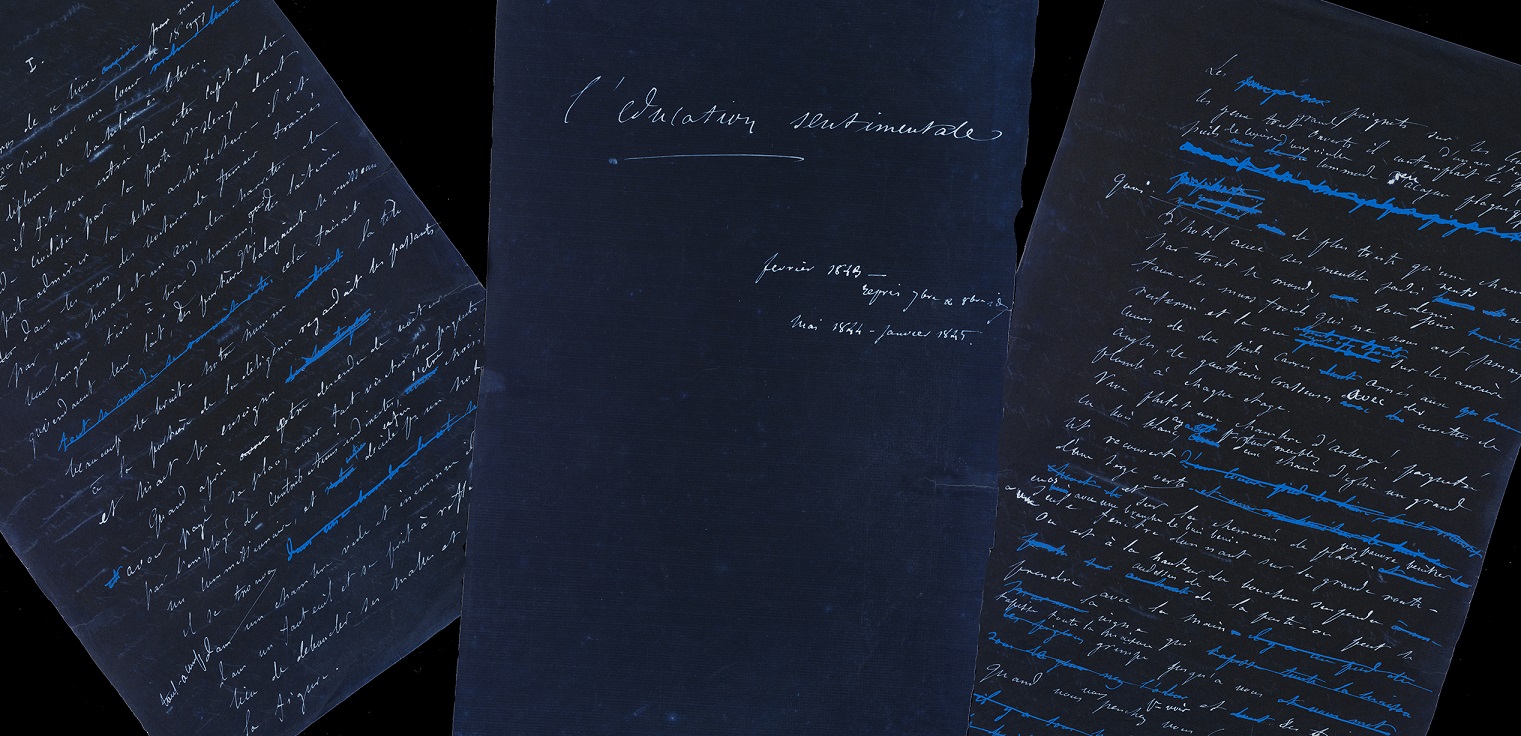
Quatre domaines, cinq périodes
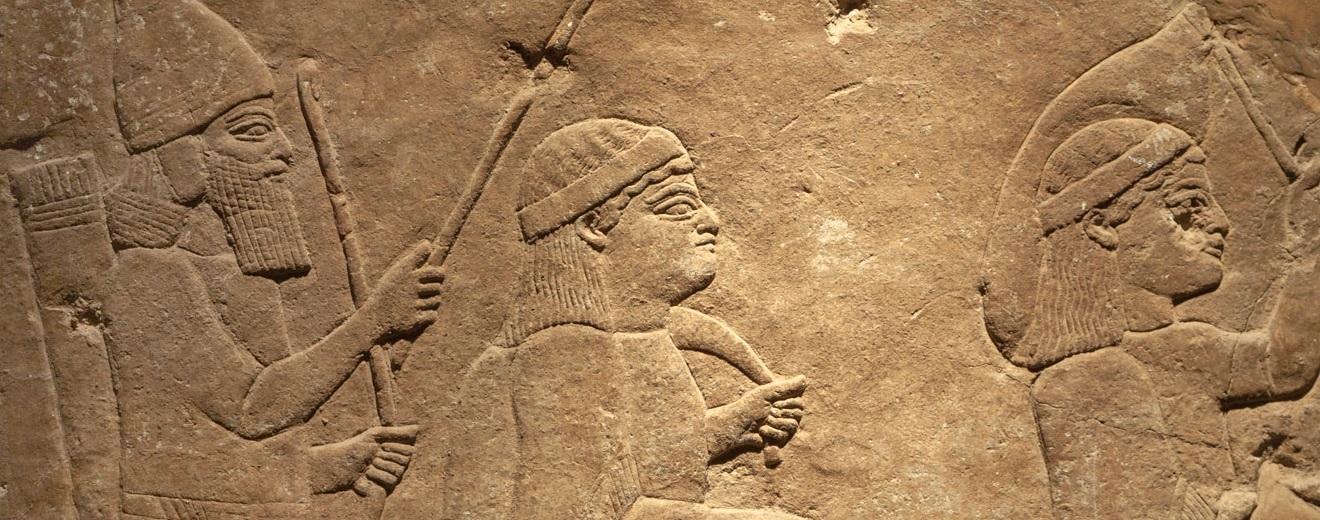
Martin Bodmer structura sa collection dans un premier temps autour d’un « Pentagone poétique » constitué d’Homère, la Bible, Dante, Shakespeare et Goethe.
Il finira par considérer que la création s’exerce dans quatre domaines de l’histoire, ou « sphères » de civilisation et de culture : celle du Pouvoir (Macht), qui organise la société (pôle de la civilisation), celle de l’Art (Kunst), qui regroupe les chefs-d’œuvre de la culture humaine, celle de la Science (Wissen), les systèmes et les découvertes du monde, qui relèvent des deux pôles, celle de la Foi (Glaube), des textes sacrés des religions, qui les transcende tous deux. Sur la fin, Martin Bodmer privilégia une structure historique et symbolique fondée sur le nombre cinq, arbitraire, mais ancrée dans l’être de l’homme. Les cinq âges sont :
1. Des origines de l’homme à la fin du Paléolithique (≈ 500 000 ans)
Armes, outils, feu, tribus, sépultures.
2. Le Néolithique (≈ 20 000 ans) : Art, magie, religion.
3. Les Ages du Bronze et du Fer (il y a 5 000 ans)
Villes, Etats, invention de l’écriture. Cette période comprenant les cinq hautes civilisations du Fleuve Jaune (Hoang ho), de l’Indus, de l’Euphrate, du Nil, et des Îles de la Mer Egée d’où est sortie la civilisation occidentale.
4. A partir du premier quart du premier millénaire av. J.-C
Cette période comprenant les cinq civilisations historiques de l’écriture, Sino-japonaise, Indo-dravidienne, Indo-iranienne, du Croissant Fertile et occidentale, dont la contre-partie est constituée par les cinq civilisations sans écriture, du Mexique, du Pérou, d’Afrique, de Malaisie et d’Australasie.
5. Le cinquième âge a commencé
Où l’écriture n’est plus le seul moyen de communication et de préservation des valeurs spirituelles, situation nouvelle créée par l’électronique.
***
Le Chorus mysticus
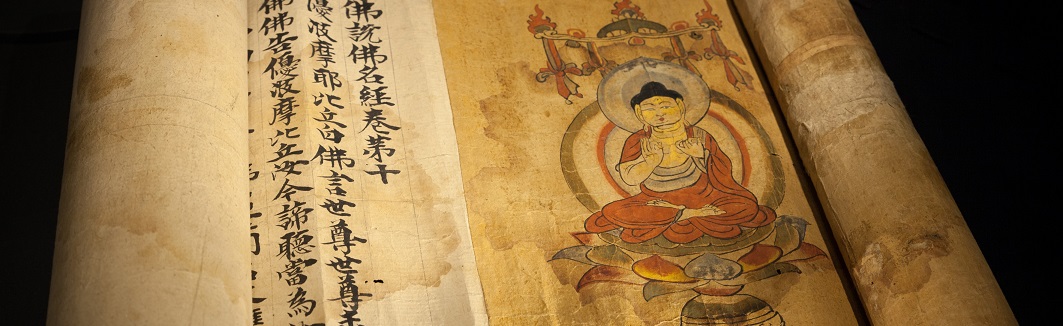
Martin Bodmer a essayé de concrétiser l’aventure de l’esprit humain à travers l’histoire dans le langage, dans environ 80 littératures, mais, comme le souligne l’ancien directeur Hans E. Braun, « tout ce qui nous a été transmis par écrit se détache sur la toile de fond que forment les énoncés sans écriture. Les modestes 6 000 ans de tradition écrite par les moyens de tablettes cunéiformes, de clous de fondation, d’ostraka, de papyrus, de jade, de bronze et de supports plus récents contrastent avec les délais gigantesques de 170 millions d’années qui sont représentés à la Bibliothèque par les premiers témoins de la vie animale sur notre planète – des ichtyosaures et d’autres fossiles – des témoins qui rappellent l’évolution dans laquelle l’homme est sorti de la nuit pour devenir ce qu’il est aujourd’hui grâce à la parole, à l’écriture. »
Mais on doit comprendre, disait Martin Bodmer dans sa conférence de Londres en 1967, intitulée « The cultural and spiritual ideas behind the Bodmeriana », que « l’humain est contradictoire, que l’humanité se caractérise communément par la médiocrité, la cruauté et l’égoïsme, qu’elle est, dans son essence même, anti-humaine. Le miracle, c’est qu’un petit nombre d’individus, une goutte d’eau dans cet océan, a finalement prévalu et incarne l’histoire au final. »
Le Chorus mysticus commence avec Homère, Moïse, Zarathoustra, Mahâvîra Bouddha, Lao Tseu, Jésus. On distingue cinq périodes chronologiques :
1. Grèce ancienne (VIIIe av. J.-C.-IVe ap. J.-C.)
2. Rome antique (IIIe av. J.-C.-Ve ap. J.-C.)
3. Moyen Age (Ve-XIIIe)
4. Renaissance (XIVe-XVIIe)
5. Temps modernes (XVIIIe-XIXe)
***
Martin Bodmer, sur la création artistique
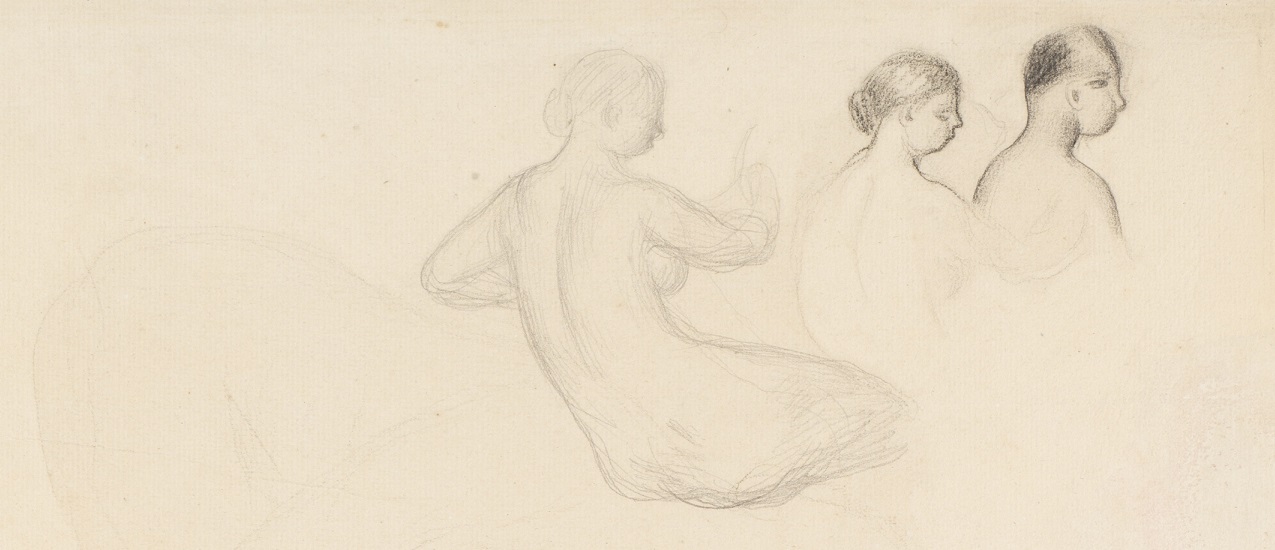
« L’œuvre d’art semble être, de toutes les créations humaines, la plus éloignée de la Nature. Il n’en est rien : elle est au contraire la continuation et la perfection de la Nature à travers l’esprit et elle signifie la victoire sur la matière ; tout accomplissement de l’esprit ouvre une brèche vers le divin. C’est de cela, de tout cela, que la Bodmeriana essaie d’être une évocation. »
Grâce à la constitution d’un important fonds d’acquisition et du soutien de nombreux mécènes et donateurs, la Fondation continue sa politique active d’acquisition et de renforcement de ses collections.

En 2021, La Fondation acquiert la collection Josep Bosch
Quelques origines de grandes pièces

« Au temps où se dessinaient les tout premiers contours du but qu’aurait cette collection… j’avais choisi pour sujet de mes études la littérature allemande. Mais, à part Goethe, quelques éminents lyriques et les deux poètes zurichois, Keller et Meyer, mes préférences allaient à des étrangers – en tête, l’unique Shakespeare, le plus grand magicien de tous, qui ne le cédait qu’à deux étoiles congéniales : Homère, père des poètes et père de l’Occident, et les immortels cantiques et épopées de la Bible.
Et puis le prodigieux cortège qui s’ensuit et féconde le monde jusqu’à nos jours : Virgile et Ovide, les grands contes du Moyen-Âge, Tristan, Parcival (sic), les Nibelungen, le géant solitaire Dante, le prince des fabulistes Boccace, le fulgurant Arioste, Rabelais, génie du bizarre, Racine, génie de l’harmonie, La Fontaine, Cervantès, Defoe, Swift, Perrault, qui nous ouvrent la porte des rêves : contes de fées, légendes populaires, les Mille et une nuits, jusqu’à nos jours, où cet esprit s’incarne en deux génies nordiques, qui m’étaient, dès mon enfance parmi les plus chers : Hans Christian Andersen et Selma Lagerlöf. »
Martin Bodmer, dans Fritz Ernst, Von Zürich nach Weimar, p.14.
***
Le récit d’Odile Bongard, secrétaire personnelle de Martin Bodmer, à propos de l’acquisition des papyrus.
***
Martin Breslauer
Martin Bodmer acquit de Martin Breslauer des livres provenant de la bibliothèque des princes de Stolberg-Wernigerode dont celui-ci avait acheté une grande partie dans les années 1930-1931. Quelques uns des ouvrages les plus rares de la littérature allemande classique provenant de la bibliothèque de Gotthilf Weisstein et de la collection Lessing formée par le général Lessing, descendant collatéral de Gotthold Ephraïm aboutirent à Zurich par la même voie. En 1935, Martin Breslauer décida de quitter l’Allemagne nazie.
Pour éviter le risque d’une confiscation, il vendit à Martin Bodmer 15 000 des 21 000 volumes de sa bibliothèque privée :« l’apport le plus considérable que la Bodmeriana ait jamais reçu et, aujourd’hui encore, l’une de ses composantes les plus importantes », de l’avis de son fils, Bernard Breslauer. Celui-ci en établit l’index à Zurich en 1938, avant de reprendre, après son retour en 1945, la firme de son père, mort en 1940 et de compter Martin Bodmer parmi ses clients. En 1970, pour constituer le capital nécessaire à l’entretien de la Fondation qu’il projetait, Martin Bodmer se résigna à traiter avec Hans Peter Kraus, collègue, ami et concurrent de Bernard Breslauer. Ainsi fut vendue une grande partie de l’ancienne bibliothèque du père de ce dernier.
***
Bernard Breslauer
Il écrivait à notre propos : « L’une des plus belles bibliothèques privées de tous les temps. » Ses contributions majeures à la bibliothèque comprirent :
- des poèmes autographes d’auteurs allemands tels que Mörike, Grillparzer, Fontane, Keller et C. F. Meyer ;
- un chant inédit de Debussy, Il dort encore ;
- le manuscrit complet du second chant d’un poème inachevé de Lamartine, Les visions ;
- un fragment de manuscrit anglo-saxon du XIe siècle (une homélie par Aelfric) ;
- un manuscrit coranique du XVIe siècle calligraphié (un rouleau de 10 m de long qu’on portait dans la hampe de l’étendard de bataille à la tête des armées turques) ;
- une inscription cunéiforme en assyrien des années 885-860 av. J. C. qui venait du palais d’Ashur-Nasir-Pal ;
- le seul exemplaire complet connu à ce jour des Plaisirs de l’Isle Enchantée de Molière (1664) et surtout, en 1963, un sonnet autographe de Michel-Ange suivi d’une lettre de dédicace à Vittoria Colonna.
Il intervint auprès de Sotheby’s pour l’acquisition d’un fossile d’ichtyosaure. Devenu également l’un des agents de Martin Bodmer dans les ventes aux enchères, il obtint pour lui en 1969, de la maison Stargardt à Marburg, le quintette à cordes en ré majeur Köchel 593 de Mozart et, en 1970, lors de la vente Schocken de Hambourg organisée par Ernst Hauswedell, trois pages de Faust et sept poèmes autographes de Goethe.
Autres acquisitions de chez Breslauer :
- des autographes de la Renaissance à nos jours : de Lorenzo de Médicis, Machiavel, Erasme et Hutten à Schiller, Hugo Wolf (un poème de Heine en musique), Herzl (1ère édition dédicacée de Judenstaat) et Joyce ;
- des manuscrits médiévaux du IXe siècle : un canon du Concile d’Aix-la-Chapelle, les Retractationes de saint Augustin, l’Homéliaire de Paul Diacre (abbaye de Reichenau) ; du XIIIe siècle : la Chanson d’Aspremont, la Summa in codicem Justitiani d’Azon de Bologne, le Compendium historiae in genealogia Christi de Pierre de Poitiers (ancien rouleau), un Psautier enluminé pour le Diocèse de Constance ; du XIVe siècle : un Dioscorides, De simplici medicina ;
- quatre manuscrits humanistes italiens des XVe et début XVIe siècles de Polybe, Properce et Cassiodore (relié pour Léon X) et une traduction en italien de La Cité de Dieu ;
- des manuscrits persans : le Divan de Djami (Shiraz, 1497), Salomon et Absal du même (Kurasan,1580), le Khamsa de Nizâmi (Shiraz, 1516).
***
Hans Peter Kraus
En 1931, Martin Bodmer prit rang parmi les plus grands collectionneurs en achetant une Bible de Gutenberg sortie des trésors des Tsars de Russie que liquidaient l’URSS. La Suisse avait le moins souffert de la Grande Dépression, le franc suisse restait fort, les prix s’effondraient partout ailleurs et Bodmer pouvait acheter à New York, Londres, Paris et Bruxelles pour une fraction du prix qui aurait prévalu quelques années plus tôt.
Aux enchères, il rencontrait peu de concurrence. Nombre de ses plus beaux livres furent acquis durant cette période. De plus, il était avisé et patient en affaires, il savait dire non et attendre un meilleur exemplaire ou un prix plus abordable. Habile négociateur, plaidant à l’occasion l’impécuniosité, il obtint par exemple de Rosenbach pour $46 500, au lieu des $85 000 du prix indiqué dans le catalogue, un manuscrit de Chaucer, The Canterbury Tales, dans sa reliure monastique d’origine ! C’est en 1935 que Kraus, jeune libraire à Vienne, reçut sur une simple carte postale une commande de CHF 25 000 pour plusieurs titres, parmi les meilleurs, de son catalogue. Pendant les 20 années qui suivirent (à l’exclusion des années de guerre), les ventes sur catalogue continuèrent par voie postale. Kraus ne rencontra Bodmer à Cologny qu’en 1956. En 1951, Martin Bodmer réussit à acquérir la fameuse collection Shakespeare de la librairie des frères Rosenbach, à Philadephie, pour $330 000, particulièrement les quatre célèbres Folios des œuvres complètes et 55 Quartos, ces petites publications originellement vendues pour un shilling à l’extérieur du théâtre. Ce qui fit dire – légende ou réalité ? – à la fille du président Truman, assistant au départ de la collection : « Guillaume Tell a battu Rockefeller ! »
***
Achats et ventes
Dans son autobiographie, Kraus affirme que l’importance de ses ventes à Bodmer au fil des ans n’a d’égale que celle des achats qu’il finit par obtenir. En 1956, il lui acheta un petit livre de prière en allemand du XVe, enluminé, comme on le découvrit plus tard, par le dernier des grands miniaturistes flamands, Simon Bening. Mais Livres d’heures, Bréviaires, Missels n’entraient pas vraiment dans le projet de la Weltliteratur. Ainsi Bodmer céda-t-il en 1968 à Kraus qui le lui avait demandé pour son fils (avant de le revendre aux Cloisters, à New York) le Psautier de Bonne de Luxembourg de l’atelier de Jean Pucelle (acquis en 1949 chez Sotheby’s), et un Livre de prières enluminé par Michelino da Besozzo.
De son côté, Kraus lui vendit en 1960 un remarquable Livre des Morts (PB 105) ; en 1963, une plaque de fondation du Sérapeion (Bibliothèque d’Alexandrie) ; en 1964, Die Welt als Wille und Vorstellung de Schopenhauer ; puis le Juengere Titurel de Albrecht von Scharfenberg et, en 1968, un exemplaire in-folio des Roses de Redouté. En 1969, Harry H. Ransom, chancelier de l’Université du Texas à Austin, offrit par l’entremise de Kraus d’acheter la Bibliothèque Bodmer en entier pour la somme de 60 millions de dollars. La lettre parvint à Martin Bodmer alors qu’il fêtait en famille son 70e anniversaire à Rome. Il déclina l’offre, après l’avoir lue à voix haute devant tous les siens. Cependant, il fit connaître à Kraus qui lui rendait visite en mai 1970, en compagnie de membres du Grolier Club désireux de voir sa collection, son intention de créer une Fondation et de doter celle-ci d’un capital de 2 à 3 millions de dollars. C’est ainsi qu’après l’échec d’une transaction immobilière, qui aurait résolu le problème, Kraus finit par avoir accès aux rayons de la bibliothèque et qu’il fit son choix d’un nombre important de pièces exceptionnelles, allant des papyrus Adler du IIe siècle av. J.-C. aux oeuvres de Molière de 1682, avec quelques « joyaux de la couronne », comme les 1ères éditions du King Lear (1608), de Lucrece (1594), du Pilgrim’s Progress de John Bunyan (1678), sans oublier le De motu cordis de William Harvey (1628). Parmi les incunables : le Planetenbuch de Bâle (1465), le Catholicon de Balbus (1460), les Facetiae du Pogge (1470), la Commedia de Dante avec les gravures de Botticelli (1481), entre autres. Dans les manuscrits : l’Histoire ecclésiastique du peuple anglais de Bède le Vénérable (latin, début IXe), un codex de trois romans arthuriens et, surtout, le Missel d’Arenberg, les Historiae Romanorum de Paul Diacre (IXe siècle) et le Titurel.
***
Collection Stefan Zweig
Stefan Zweig a été l’un des plus importants collectionneurs d’autographes de son siècle. Vivant à Salzbourg, il eut la douleur, trois ans avant que n’éclate la guerre, de devoir se séparer des manuscrits de ses poètes, pour émigrer en Angleterre, puis au Brésil.
Il n’emporta dans son exil à Londres que ses manuscrits préférés. En 1936, Martin Bodmer reçoit d’un marchand viennois, Heinrich Hinterberger, un catalogue de 304 lots de « Penseurs et écrivains allemands », ainsi que de « Chefs-d’oeuvre musicaux manuscrits », qui provenaient de la collection Zweig. Sans hésiter, il acquit, à quelques exceptions près, l’offre entière. Dans les années qui suivirent, Bodmer a eu encore la chance d’acquérir à plusieurs reprises d’autres pièces de la même origine qui se trouvent maintenant à Cologny. De cette collection proviennent entre autres deux nouvelles d’Adalbert Stifter, le manuscrit intégral de son Witiko, le « Deutschlandlied » de Hoffmann von Fallersleben, le « Bandelterzett » de Mozart, puis d’autres manuscrits de Balzac, Goethe, Heine, Hölderlin, Napoléon, Nietzsche, Robespierre, Schubert, Schumann.
Goethe qui était lui-même collectionneur d’autographes avait déjà fait part de la fascination qu’ils exercent : quand on les étudie, « les hommes supérieurs deviennent présents de façon magique ». Zweig s’en est fait l’écho : « Les feuillets manuscrits sont des reliques visibles de l’Immortel, des traces de vie significatives des grandes existences. Un manuscrit est une image intérieure de l’être. L’écriture manuscrite remplit de crainte, d’amour et d’admiration pour le poète et le penseur dont sont immortalisés ainsi des traits de vie. » Sans doute Martin Bodmer a-t-il partagé ce sentiment.